11 august 2026

Textile finishing: how Melapret
takes your fabrics to the next level

From raw fabric to high-quality end product

Why textile finishing makes the difference

A fabric is only truly finished when it does what it is supposed to do. Textile finishing is the collective term for all treatments that give textiles those extra properties: from improved water repellency and flame retardancy to increased durability or a softer finish. Every application has different requirements, and therefore every piece of textile demands a different approach.

At Melapret, we translate those requirements into the right combination of techniques. Not every result can be achieved with the same treatment: sometimes it is about functionality, sometimes about aesthetics, and often about a combination of both. This is how fabrics and materials get the exact properties their end-use requires—better performing, more attractive, and more sustainable for those who work with them.
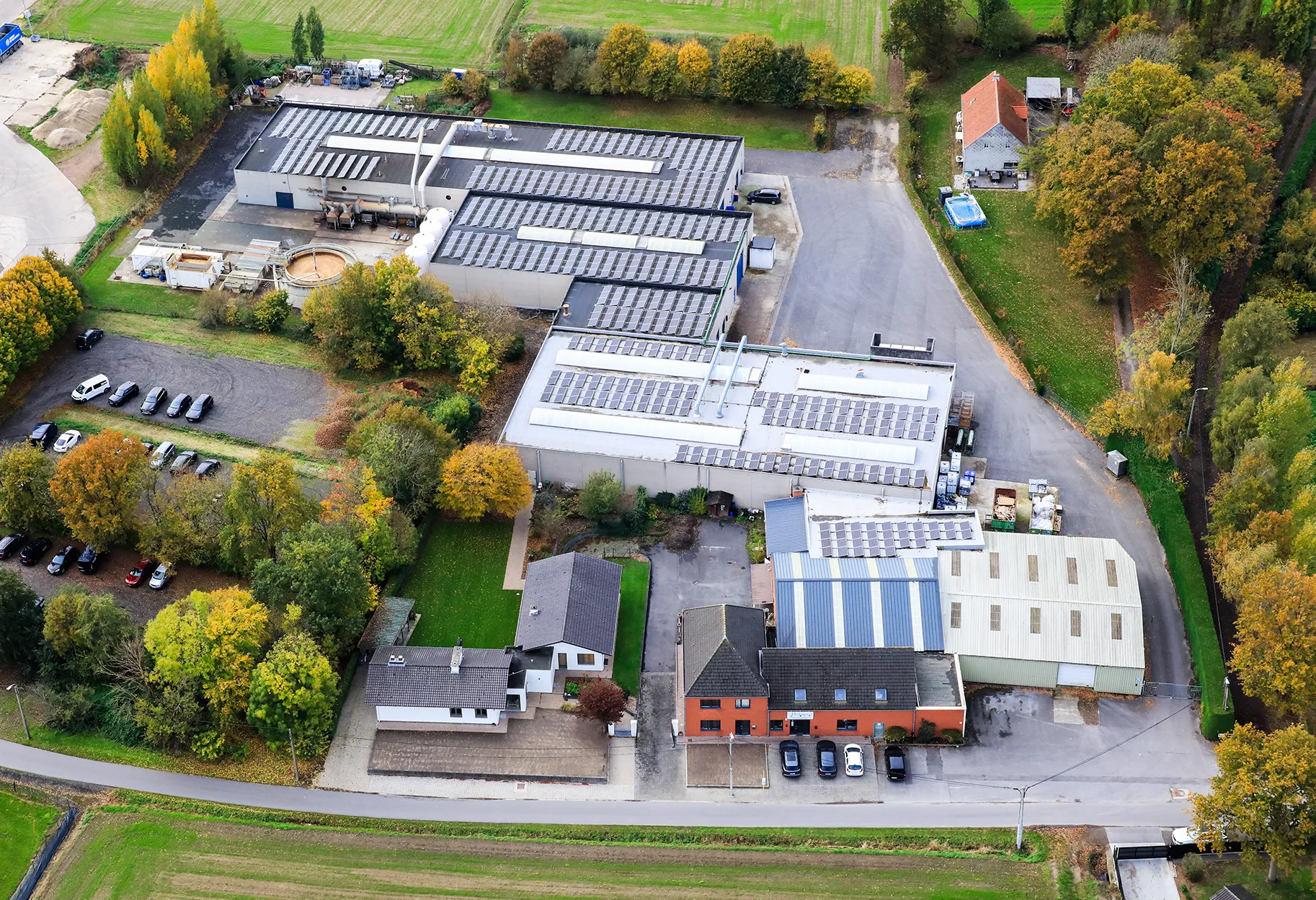
Nearly fifty years of experience in textile finishing in Belgium

Based in Temse, Melapret has been building expertise in textile finishing since 1978. What began under the name Steverlynck evolved into the Melapret we know today starting in 2007. Over the past fifteen years in particular, we have invested heavily in innovation, efficiency, flexibility, and sustainability—resulting in our position as a benchmark for textile finishing in Belgium.

We didn't reach this position by accident: the sector is constantly changing. Customers have stricter requirements, legislation is tightening, environmental impact is becoming increasingly significant, and certain raw materials are disappearing from the market. To keep responding to these shifts, we intentionally keep our machinery and coating techniques flexible, and we invest structurally in R&D.

Where will textile finishing be in five years?

We are a small, driven production company capable of delivering great results. We believe in short lines of communication, a warm atmosphere, and we treat our staff like family.

1. Chemicals under pressure
Production techniques that rely on harmful chemicals are losing ground — rightly so, given their impact on people, animals, and the environment. The challenge lies in developing new techniques that achieve the same performance without needing those substances.

2. Water and energy as scarce resources
From fiber to finished textile, the process consumes a lot of water, gas, and electricity. At Melapret, we tackle this head-on: our zero-discharge status ensures wastewater is reused to the maximum extent, modern machinery keeps energy consumption low, and more than 2,500 solar panels on our roofs supply green power.

3. Phasing out PFC and PFAS
These substances have been used for years in water- and stain-repellent coatings, but their impact on the environment and health is now well documented. Together with our suppliers, we're continuously searching for full-fledged PFC- and PFAS-free alternatives — an area where Melapret consciously leads the way.

4. Textiles returning to the cycle
Legislation and consumers are pushing in the same direction: less waste, more reuse. New recycling techniques make it possible to give used textiles a second life, and the Cradle-to-Cradle principle guides us toward products that are fully recyclable or biodegradable.

5. Producing smarter
Nanotechnology, microcapsule technology, 3D fabrics — Melapret actively follows and tests these techniques, with concrete projects in development. Do you have an innovative textile project? We'd be happy to think it through with you.

Would you like to discuss the possibilities together?

Request more information